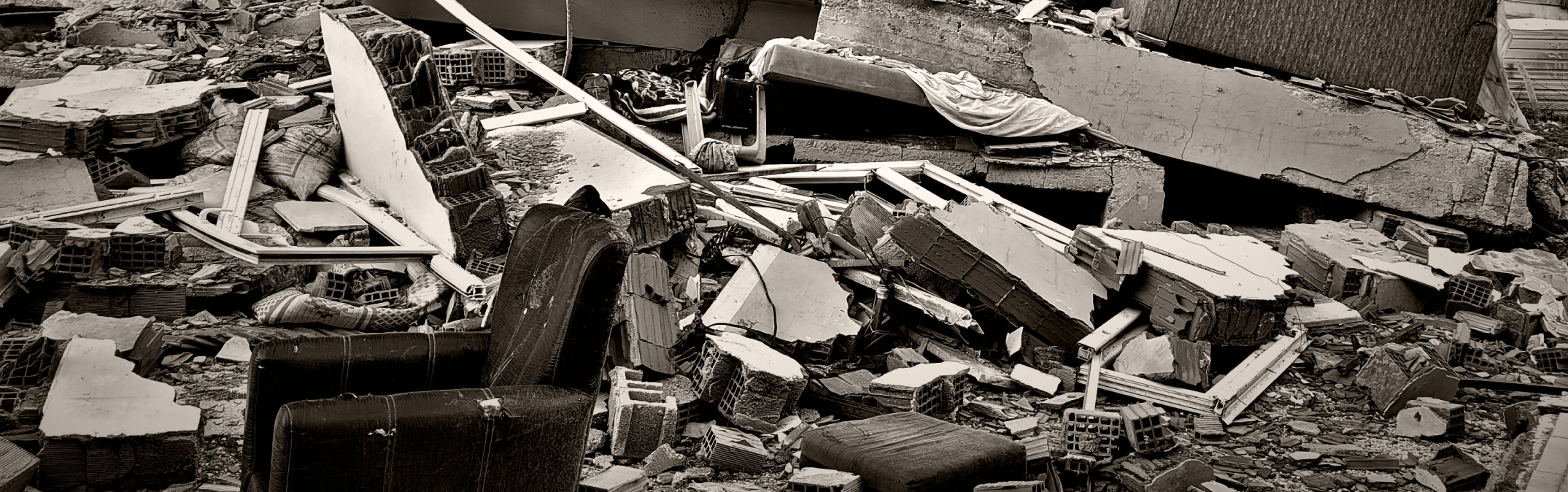
The Hairdresser Project in Hatay provided essential personal care and hygiene services to disaster-affected women, men, children, and people with disabilities.
Locations
Hatay
Local Name
AKUT Vakfı
Health Services
Support Foundation for Civil Society
Sivil Toplum için Destek Vakfı (STDV)
$20,000Collaborative Grants
The grant supported the first year of a program empowering community-based organizations in earthquake-affected regions—Hatay, Adana, and Mersin—to address urgent environmental issues, restore coastal and marine ecosystems, and promote sustainable food systems in the aftermath of the February 2023 earthquakes.
Local Name
Sivil Toplum için Destek Vakfı (STDV)
Health Services
Support Foundation for Civil Society
Sivil Toplum için Destek Vakfı (STDV)
$30,000Collaborative Grants
The grant supported the second year of a program empowering community-based organizations in earthquake-affected regions—Hatay, Adana, and Mersin—to address urgent environmental issues, restore coastal and marine ecosystems, and promote sustainable food systems in the aftermath of the February 2023 earthquakes.
Local Name
Sivil Toplum için Destek Vakfı (STDV)
People with Disabilities
Accessible and Sustainable Living Association (ESYAD)
Erişilebilir ve Sürdürülebilir Yaşam Derneği (ESYAD)
$51,374Round 24
The project aimed to enhance the well-being, inclusion, and resilience of people with disabilities and their caregivers by providing psychosocial support, improving accessibility, training local actors, and promoting economic participation through vocational training and micro-grants.
Local Name
Erişilebilir ve Sürdürülebilir Yaşam Derneği (ESYAD)
Economic Development
The Mother Child Education Foundation (ACEV)
Anne Çocuk Eğitim Vakfı (AÇEV)
$10,000Esas Sosyal First Chance 25
Locations:
İstanbul
The grant enabled a First Chance fellow to gain one year of professional experience, supporting youth employment and social mobility, in 2023.
Locations
İstanbul
Local Name
Anne Çocuk Eğitim Vakfı (AÇEV)
Economic Development
Community Volunteers Foundation (TOG)
Toplum Gönüllüleri Vakfı (TOG)
$11,800Esas Sosyal First Chance 25
Locations:
İstanbul
The grant enabled a First Chance fellow to gain one year of professional experience, supporting youth employment and social mobility, in 2024.
Locations
İstanbul
Local Name
Toplum Gönüllüleri Vakfı (TOG)
Search and Rescue Operations
Community Volunteers Foundation
Toplum Gönüllüleri Vakfı (TOG)
$100,000Round 2
Locations:
Adıyaman, Antakya, Gaziantep, Hatay, Kahramanmaraş
The grant supported the hire of two coordinators for three months to coordinate the distribution of emergency supplies—including tents, dignity kits, power banks, medical aid, and food—for displaced families, frontline workers, and animals, while responding to emerging needs based on field assessments.
Locations
AdıyamanAntakyaGaziantepHatayKahramanmaraş
Local Name
Toplum Gönüllüleri Vakfı (TOG)
Search and Rescue Operations
Needs Map Cooperative
İhtiyaç Haritası (İH)
$100,000Round 2
Locations:
Adana, Adıyaman, Gaziantep, Hatay, Kahramanmaraş
Needs Map used the funds to meet urgent needs in five earthquake-affected provinces by supporting individuals who lost property, providing tech infrastructure to track and deliver aid, and coordinating field operations through a map-based system.
Locations
AdanaAdıyamanGaziantepHatayKahramanmaraş
Local Name
İhtiyaç Haritası (İH)
WASH (Water, Sanitation & Hygiene)
Support to Life
Hayata Destek Derneği
$100,000Round 2
Locations:
Hatay
The project provided hygiene supplies, non-perishable goods, and shelter to people affected by the earthquakes in Şanlıurfa, Diyarbakır, Hatay, and Adana.
Locations
Hatay
Local Name
Hayata Destek Derneği
Educational Support
Association for the Support of Contemporary Living
Çağdaş Yaşamı Destekleme Derneği (ÇYDD)
$53,000Round 3
Locations:
Adana, Adıyaman, Gaziantep, Hatay, Kahramanmaraş
Provided immediate scholarship assistance to 1,000 students and their families.
The “Cansuyu for Earthquake Survivors” project provided urgent supplies—warm clothing, sleeping bags, blankets, hygiene kits, and food—and covered the rental cost of a vehicle. KAMER teams operated in 7 cities, coordinating with local municipalities in Hatay and the Immigrant Health Center in Kahramanmaraş.
Locations:
Adana, Batman, Diyarbakır, Hatay, Kahramanmaraş, Malatya, Mardin
The grant supported PAYDA scholarship recipients and their families in the region. From the grant, 15 university students were transferred out of impacted cities, accommodations for 20 students, housing of a family who lost their homes for two months, and cash assistance to 243 students for five months.
The project provided emergency mental health support for children and adults affected by the earthquake, using a triage system to assess needs and refer individuals to group psychological support sessions. Maya Vakfı’s three field teams operated across three provinces in coordination with local NGOs, integrating art therapy and psychosocial recovery tools. The grant covered programmatic costs including field equipment, art and psychosocial kits, printed materials, security items, and field consumables
Locations
HatayKahramanmaraşŞanlıurfa
Local Name
Maya Vakfı (MAYA)
Emergency Shelter & Housing
Needs Map Cooperative
İhtiyaç Haritası (İH)
$32,000Round 4
Locations:
Gaziantep
One generator was provided to support people facing cold conditions at the Gaziantep Center.
The project supported 96 SMA patients and their families living in temporary shelters with biweekly hygiene and food kits, and provided generators to 20 families to power essential medical devices, addressing urgent health and mobility needs in the earthquake-affected region.
The project established a psychosocial support center in Gaziantep’s İslahiye district, expanding TPD’s earthquake response with in-person and online services for survivors, including those resettled in other cities.
Çukurova University Industry Collaboration Foundation
Çukurova Üniversitesi
$500,000Round 6
Locations:
Adana
The grant fund enabled the establishment of the Children’s Rehabilitation Center "Cocuk Iyilik Merkezi" in collaboration with Çukurova University and leading pediatric institutions to provide medical, orthopedic, and psychosocial support for children who underwent amputations during the earthquake. The center has offered prosthetics, physiotherapy, and rehabilitation services to help children regain independence and reintegrate into society, while also raising awareness about disability inclusion. Çukurova University allocated a 1,000 m² space on campus for the facility.
The project supported FRA in delivering 92,000 units of nutritious canned food to earthquake-affected villages, addressing severe food access challenges due to a 10–15x population increase in rural safe zones, building on FRA’s existing food aid logistics and volunteer coordination.
Locations
AdıyamanHatayKahramanmaraşMalatyaŞanlıurfa
Local Name
Gıda Kurtarma Derneği (FRA)
Food Security & Nutrition
Unvansız Gonulluler Association
Unvansız Gönüllüler Derneği
$98,831Round 6
Locations:
Adıyaman, Antakya, Hatay, Kahramanmaraş
The project provided daily emergency food aid to 17,000 disaster victims in remote villages across Kahramanmaraş, Adıyaman, and Hatay by distributing long-lasting food boxes via Afet Platformu warehouses and volunteer networks.
Locations
AdıyamanAntakyaHatayKahramanmaraş
Local Name
Unvansız Gönüllüler Derneği
Food Security & Nutrition
Manisa Celiac Organic Nutrition Association
Manisa Çölyak ve Organik Beslenme Derneği (ÇÖLYAK)
It is almost impossible to fund gluten free food for cellied people who are impacted by the eathquake. According to the the Ministry of Health, there are currently 28,978 celiac patiants in the earthquake ridden cities. With the project, gluten-free food boxes will be delivered to celliac patients /children who are currently in the region or have moved to neighbouring cities. COLYAK will cover the expenses of the human resouces.
The project supported the purchase of a panel van to serve as the LÖSEV Mobile Earthquake Relief Vehicle, providing social services, psychological support, and medical screenings for children with leukemia and adult cancer patients in earthquake-affected provinces. It helped facilitate their registration at LÖSANTE Hospital.
The project supported the distribution of 8,000 locally sourced food boxes to mobile kitchens, tent cities, and other high-need areas in Antakya and Adıyaman, using data-driven targeting and four different procurement sources to ensure efficient and equitable delivery.
The project provides scholarships to 1,000 college students studying and/or residing in earthquake-affected provinces, helping them continue their education and rebuild their future.
The project expanded YUVA’s conditional cash assistance program by increasing financial support for disadvantaged Syrian refugee girls aged 11–17 in earthquake-affected Hatay and aimed to include more girls—potentially Turkish students—while continuing to promote school attendance and prevent early marriage.
The support covered the replacement of instruments and costumes lost under the rubble for 200 musicians with no income, and renewed the choir’s sound system and venue damaged by the earthquake.
Locations
Antakya
Local Name
Antakya Medeniyetler Korosu Derneği
Psychosocial & Mental Health
Nirengi Association
Nirengi Derneği
$99,950Round 8
Locations:
Hatay
The support helped build and equip a Safe Space and Counseling Center for children and families in Kahramanmaraş or Hatay, providing psychosocial support and legal assistance to those affected by the earthquakes
The project supported the cancer treatment plans of 100 earthquake-affected individuals relocated to other cities, provided accommodation for 50 accompanying family members, ensured access to medication for patients who remained in the region, and delivered one-time cash assistance to 80 patients in need.
The project supported the cancer treatment of 100 earthquake-affected individuals relocated to other cities, provided accommodation for 50 accompanying family members, ensured access to medication for those remaining in the region, and delivered one-time cash support to 80 patients in urgent need.
The project supported the cancer treatment of 100 earthquake-affected individuals, provided accommodation for 50 caregivers, delivered essential medications to those remaining in the region, and offered one-time cash assistance to 80 patients in need.
In partnership with Adana and Seyhan Municipalities, TAP expanded its outreach after the earthquake to support women and girls with reproductive health information, psychosocial support, and the distribution of dignity and maternity kits. The project reached 3,000 beneficiaries, responding to growing needs amid population influx, with partial support from UNFPA Turkey.With the support, TAP will expand its reach with the aim of supporting women and girls against increasing risk of reproductive health-related issues and gender-based violence while providing psychosocial support activities. 3,000 women and girls will be reached throughout the project. Partial support is also provided by UNFPA Turkey."
Locations
Adana
Local Name
Türkiye Aile Sağlığı ve Planlaması Vakfı (TAPV)
Health Services
Turkish Family Health and Planning Foundation
Türkiye Aile Sağlığı ve Planlaması Vakfı (TAPV)
$55,934Round 8
Locations:
Adana
The project supported the women and girls in Adana through house visits providing reproductive health education, gender-based violence prevention, and psychosocial support, alongside distributing maternity and dignity kits, in partnership with local municipalities and with partial support from UNFPA Turkey.
Locations
Adana
Local Name
Türkiye Aile Sağlığı ve Planlaması Vakfı (TAPV)
Educational Support
Tüvana Foundation for the Education of Motivated Children
The grant provided cash assistance, psychological support, monthly food, stationary school needs, and relocation support to families needing relocation for 12 months to 123 families with 343 children who lost their homes due to the earthquake.
The Humanitarian Aid Project for the Earthquake Zone in Turkey mobilized 50 volunteers over 4 weeks to distribute in-kind aid—including 1,000 food packages, 1,000 hygiene kits, 300 baby boxes, and 1,000 blankets—across 10 provinces, including Kahramanmaraş, Hatay, Diyarbakır, and Gaziantep.
The project provided humanitarian aid in 10 earthquake-affected provinces in Turkey, mobilizing 50 volunteers over 4 weeks to distribute 1,000 food packages, 1,000 hygiene kits, 300 baby boxes, and 1,000 blankets.
The project supported the establishment of activity centers for children in container cities across the earthquake-affected region, providing safe spaces for learning, play, and psychosocial support.
The project supported TEGV’s two Activity Centers and seven Firefly Mobile Education Trucks, enabling the provision of shelter, nutrition, hygiene kits, psycho-social activities for children, and continued educational support to earthquake survivors.
The project provided five months of psychosocial support to the earthquake-affected children relocated to İzmir, supported teachers with training on classroom adaptation, and organized PSS workshops to promote school cohesion and reduce dropout risks.
The “Dayanışma Pazar” Project created a digital interface to connect local and rural producers and the private and public sectors, bridging the gap between buyers to respond to urgent demand and supply in the region. The amount supports 300 local and rural producers to access new markets and customers and sell their on-hand products.
Provided rental support and computers to 150 medical students from Hatay that had to migrate to Istanbul and Kocaeli.
Locations
HatayİstanbulKocaeli
Local Name
Lokman Hekim Sağlık Vakfı
Health Services
The Foundation for Children with Leukemia
Lösemili Çocuklar Vakfı (LÖSEV)
$87,060Round 9
Locations:
Kahramanmaraş
The project supported the LÖSEV Mobile Kitchen, which will provide safe, nutritious meals and motivational support to children with leukemia and cancer patients in earthquake-affected areas. The kitchen operated from LÖSEV’s 10-container site at Sütçü İmam University in Kahramanmaraş for 12 months.
Needs Map provided drinking water to earthquake-affected cities over five months, using its local warehouses to distribute supplies and address increasing needs during warmer months.
The project supported a minimum of 200 female college students impacted by the earthquakes with multi-year scholarships, laptops, internet access, and accommodation support throughout their 4-year university education.
This fund will be used to establish one Purple Women and Children Safe Space to create safe spaces for women and girls in container and tent cities. The color purple was specifically chosen so women and girls can easily find these spaces `when they need to. The space will have three separate areas: one child-friendly space, one nursing space, and one prime healthcare service space to create a holistic support mechanism for survivors to offer a sense of community and connection, helping women and girls to feel less isolated and vulnerable.
The project supported women and girls living in tents and container cities by distributing hygiene kits, food packages, and small camp stoves. It established laundry and shower facilities, and provided legal assistance and psychosocial support to address increased caregiving burdens and risks of violence.
The project established Children’s Community Centers in tent cities to support girls aged 11–18 in earthquake-hit regions, offering psychosocial support, creative workshops, and structured well-being sessions, while engaging caregivers and employing expert staff to foster a safe and empowering environment.
Locations
AdıyamanHatayMaraşUrfa
Local Name
Suna Kıraç Vakfı (Suna’nın Kızları)
Safe Spaces for Children
Mother Child Education Foundation
Anne Çocuk Eğitim Vakfı (AÇEV)
$100,540Round 10
Locations:
Adıyaman, Gaziantep, Hatay
The project supported young children’s recovery in post-earthquake areas by distributing early childhood development play boxes, helping restore a sense of security, promote caregiver interaction, and reintroduce early learning in new settlement environments.
Locations
AdıyamanGaziantepHatay
Local Name
Anne Çocuk Eğitim Vakfı (AÇEV)
Safe Spaces for Children
Turkish Foundation for Children in Need of Protection
Türkiye Korunmaya Muhtaç Çocuklar Vakfı (KORUNCUK)
$81,000Round 10
Locations:
Bolluca, İstanbul, Izmir, Urla
The fund supported Koruncuk in providing safe housing, basic needs, and reintegration support for 100 girls affected by the earthquake, offering them a secure living environment at Koruncukköy for one year.
Locations
BollucaİstanbulIzmirUrla
Local Name
Türkiye Korunmaya Muhtaç Çocuklar Vakfı (KORUNCUK)
Educational Support
Darussafaka Society
Darüşşafaka Cemiyeti
$24,479Round 11
Locations:
İstanbul
The grant covered the annual education and training expenses of two students whose residence addresses are in the earthquake zone.
Locations
İstanbul
Local Name
Darüşşafaka Cemiyeti
Educational Support
Darussafaka Society
Darüşşafaka Cemiyeti
$5,849Round 11
Locations:
İstanbul
The grant covered the annual education and training expenses of a student whose residence addresses are in the earthquake zone.
Locations
İstanbul
Local Name
Darüşşafaka Cemiyeti
Educational Support
Darussafaka Society
Darüşşafaka Cemiyeti
$17,400Round 11
Locations:
İstanbul
The grant covered the annual education and training expenses of a student whose residence addresses are in the earthquake zone.
Locations
İstanbul
Local Name
Darüşşafaka Cemiyeti
WASH (Water, Sanitation & Hygiene)
65+ Elder Rights Association
65+ Yaşlı Hakları Derneği
$52,127Round 12
Locations:
Adıyaman, Hatay, Kahramanmaraş
The project addressed the urgent hygiene needs of elderly and disabled individuals by producing and delivering 18 accessible toilet/bathroom containers to camps in Adıyaman, Kahramanmaraş, and Hatay. In collaboration with Practical Storage, the units were delivered in phases and accompanied by training materials to ensure proper use. Follow-up visits were conducted to inspect setup and usage.
Locations
AdıyamanHatayKahramanmaraş
Local Name
65+ Yaşlı Hakları Derneği
Educational Support
Bornova Anatolian High School Foundation
Bornova Anadolu Lisesi Eğitim Vakfı (BALEV)
$94,895Round 12
Locations:
Izmir
The project enabled the relocation of 150 students and their families from earthquake-impacted cities to Bornova, İzmir, covering school transportation, meals, and educational materials for the academic year.
Locations
Izmir
Local Name
Bornova Anadolu Lisesi Eğitim Vakfı (BALEV)
Food Security & Nutrition
Food Rescue Association
Gıda Kurtarma Derneği (FRA)
$283,947Round 12
Locations:
Hatay, Kırıkhan
The project established a container kitchen in Hatay’s Kırıkhan district and provided 300,000 nutritious hot meals over three months to communities in remote villages with limited food access. It also covered the cost of kitchen equipment, logistics, and a delivery vehicle to ensure efficient meal distribution.
Locations
HatayKırıkhan
Local Name
Gıda Kurtarma Derneği (FRA)
Food Security & NutritionPsychosocial & Mental Health
The project provided a mobile caravan for mental health services in Maraş, supporting psychiatric treatment, psychosocial support in collective shelters, and volunteer psychiatrist deployment, while also serving as shelter for healthcare workers in the field.
The project provided locally produced tents to earthquake-affected villagers who could not relocate due to agricultural and livestock responsibilities. Tents were delivered within five days and distributed with support from Untitled Volunteers and WHR.
Locations
AdıyamanHatayKahramanmaraş
Local Name
Unvansız Gönüllüler Derneği
WASH (Water, Sanitation & Hygiene)
Community Volunteers Foundation
Toplum Gönüllüleri Vakfı (TOG)
$88,050Round 13
Locations:
Adıyaman, Hatay, Kahramanmaraş
TOG mobilized volunteers to coordinate aid in regional warehouses and distributed 250 thermal tents, 500 hygiene kits, and 500 sleeping bags to meet urgent needs identified on the ground.
The project supported 271 children undergoing treatment in earthquake-affected areas by providing digital shopping codes to their families, enabling access to essential food and hygiene supplies. By addressing basic needs, the initiative helped ensure continuity of care in safe and sanitary conditions.
The project supported over 5,000 students affected by the earthquake through a summer school catch-up program designed to address learning losses and support academic recovery.
The grant supported the establishment of a container education site consisting of 8 classrooms, 2 toilet units, and 2 administrative containers to ensure continued learning in the earthquake-affected region
The project provided one-year scholarships to 165 college students who lost their families and/or homes due to the earthquakes, supporting their continued access to higher education.
The project enabled TIDER to provide essential food, hygiene, and baby products to earthquake-affected communities by supporting 11 member food banks and disaster platform warehouses, while also contributing to the long-term development of selected food banks.
In collaboration with the Turkish Pediatric Society, the Pediatric Emergency and Intensive Care Association, and Çukurova University, the project established a center to provide amputee children with treatment, prosthetics, and physiotherapy—supporting their journey toward independence and productivity. The center also aimed to raise public awareness on the challenges faced by children with limb loss.
The support was used to increase the capacity of FRA's current kitchen to save food for an additional 3,000 for 30 days.
Locations
Hatay
Local Name
Nef Vakfı
WASH (Water, Sanitation & Hygiene)
Search and Rescue Foundation
AKUT Vakfı
$120,000Round 14
Locations:
Hatay
The Second Hairdresser Project in Hatay provided essential personal care and hygiene services to women, men, children, and individuals with disabilities affected by the earthquake.
Locations
Hatay
Local Name
AKUT Vakfı
Educational Support
Teachers Academy Foundation
Öğretmen Akademisi Vakfı (ORAV)
$104,462Round 14
Locations:
Adıyaman, Gaziantep, Hatay, Kahramanmaraş
The project provided 2,000 teachers with educational and training materials and emergency kits which included hygiene materials, power banks, backpacks, hats, thermos, tea, coffee, etc.
The project provided children with autism affected by the earthquakes with educational materials, sensory tools, and technological devices such as tablets and headphones. These resources helped reduce stress-related behavioral problems, restore disrupted routines, and support their communication, learning, and emotional well-being in temporary living conditions.
Turkish Foundation for Children in Need of Protection
Türkiye Korunmaya Muhtaç Çocuklar Vakfı (KORUNCUK)
$50,000Round 14
Locations:
İstanbul, Izmir, Urla
"With funds raised through TPF’s earthquake campaign and recommended by ATA-DC, Koruncuk opened its dormitories in Istanbul and Izmir ahead of the academic year to provide safe housing, basic needs, and reintegration support for one year.
"
Locations
İstanbulIzmirUrla
Local Name
Türkiye Korunmaya Muhtaç Çocuklar Vakfı (KORUNCUK)
Educational Support
Tüvana Foundation for the Education of Motivated Children
The project involved the creation of a self-help book designed to support earthquake survivors in coping with trauma, and its distribution to organizations providing psychosocial support in the affected regions.
Following the earthquake, BIDEV established Basket Villages—container units with hygiene facilities placed next to basketball courts—to provide shelter and promote recovery, socialization, and well-being for children and young adults.
Locations
Hatay
Local Name
Basketbol için Destek ve Eğitim Vakfı (BİDEV)
Safe Spaces for Children
Buradayız Hatay Association
Buradayız Hatay Derneği
$23,711Round 15
Locations:
Hatay
The grant supported Buradayız Hatay’s two-day April 23rd Festival in Serinyol, offering arts, music, drama, and movement workshops for 600 children and families to promote healing and a return to daily life.
Locations
Hatay
Local Name
Buradayız Hatay Derneği
People with Disabilities
Cerebral Palsy Turkiye
Türkiye Spastik Çocuklar Vakfı
$97,512Round 15
Locations:
İstanbul
The project supported 200 children aged 0–18—including infants at risk of developmental delay, children with cerebral palsy or other disabilities, and their families who relocated to Istanbul after the earthquake. The support included medical consultations, psychological services, developmental therapies (physiotherapy, special education, speech therapy), and assistive equipment such as wheelchairs and orthotics.
The project supported the establishment of a preschool in one of the most underserved cities in the earthquake-affected region, aiming to provide early childhood education, stability, and a safe learning environment for young children and their families.
The grant supported the urgent repair and maintenance of one Firefly Mobile Education Vehicle, enabling it to safely resume educational activities in the earthquake zone with the support of approximately 100 volunteers over 12 months.
The project established Sinemasal Academy’s Samandağ Campus to provide children and youth (ages 5–17) living in tent and container cities with extracurricular education and outdoor activities. Over a 4-week pilot, the program offered participatory workshops in arts, culture, and science, supported by expert NGOs, and included social impact monitoring. Volunteers also assisted with local relief efforts, and earthquake-affected youth were employed. Based on its success, the model is planned to scale across Hatay and beyond.
The project established container classrooms in the earthquake zone to deliver special education and psychosocial support for individuals with Down syndrome and their families. It provided training and 14-month employment to local experts affected by the disaster, while implementing successful programs such as psycho-social support, parent education, independent living, and inclusive workshops (ART +1, TECHNOLOGY +1). The initiative empowered families, created job opportunities, and strengthened long-term support systems through both in-person and online platforms.
Providing science kits to underprivileged schools for earthquake-impaired students. The Earthquake Region Science Movement aims to improve affected children’s competencies in STEAM (Science, Technology, Engineering, Arts, and Math) while allowing them to develop projects independently. The project aspires to make kids feel safe and secure again, in control, and hopeful for the future. With this grant, the project will aim to reach 400 students per school and 150 schools in total.
The grant supported the design and implementation of “Sparks+,” a trauma-informed leadership program that empowered university women affected by the earthquake through psychosocial support and community-led social change projects.
Manisa Çölyak ve Organik Beslenme Derneği (ÇÖLYAK)
Humanitarian Cash Assistance
The Foundation for Children with Leukemia
Lösemili Çocuklar Vakfı (LÖSEV)
$95,999Round 16
Locations:
Ankara
To provide six months of cash assistance and in-kind support to seven families from the earthquake region with cancer and leukemia patients.
Locations
Ankara
Local Name
Lösemili Çocuklar Vakfı (LÖSEV)
Economic Development
Maya Foundation
Maya Vakfı (MAYA)
$10,000Esas Sosyal First Chance 25
Locations:
İstanbul
The grant enabled a First Chance fellow to gain one year of professional experience, supporting youth employment and social mobility, in 2023.
Locations
İstanbul
Local Name
Maya Vakfı (MAYA)
Economic Development
Needs Map Cooperative
İhtiyaç Haritası (İH)
$98,300Round 16
Locations:
Ankara, Mersin
To support 30 women from the earthquake region through the production activities of two cooperatives.
Locations
AnkaraMersin
Local Name
İhtiyaç Haritası (İH)
Economic Development
Robert College
Robert Koleji
$45,000Round 16
Locations:
İstanbul
The grant covered two current students' education expenses from the earthquake region.
Locations
İstanbul
Local Name
Robert Koleji
Educational Support
Robert College
Robert Koleji
$13,850Round 16
Locations:
Hatay
The grant provided furnishing and air conditioning for four classrooms in the earthquake-affected region, helping create a safe and comfortable learning environment for students.
Locations
Hatay
Local Name
Robert Koleji
Economic Development
Mother Child Education Foundation
Anne Çocuk Eğitim Vakfı (AÇEV)
$10,000Round 16
Locations:
İstanbul
The grant enabled a First Chance fellow to gain one year of professional experience, supporting youth employment and social mobility, in 2023.
The project established Community Centers to provide safe, shared working spaces in disaster-affected areas, fostering collaboration, recovery, and social cohesion.
Locations
AdıyamanGaziantepHatayKahramanmaraşMalatya
Local Name
Türkiye Kadın Girişimciler Derneği (KAGİDER) / HABİTAT
The project provided bicycles and safe cycling training to children aged 6–14 living in container cities in Hatay, aiming to support the well-being and mobility of 500 children affected by the earthquake. In July, 225 bicycles were distributed following safety sessions covering bicycle parts, handling, emergency response, and riding tips.
Locations
Hatay
Local Name
Türkiye Eğitim Gönüllüleri Vakfı (TEGV)
Psychosocial & Mental Health
Maya Foundation
Maya Vakfı (MAYA)
$99,307Round 18
Locations:
Hatay
Over a two-year period, the grant supported access to mental health and protection services for individuals in or displaced from earthquake-affected areas. Maya Foundation provided acute and mid-term interventions through mobile teams, including art-based psychosocial support (ProjectLift), psychological recovery skills sessions, parenting support, capacity-building trainings, and service mapping to improve long-term care access
The project supported the implementation of a “Post-Disaster Teacher Support Program” for K-12 teachers and administrators in earthquake-affected provinces and nearby areas, focusing on creating trauma-sensitive learning environments and maintaining quality education, while also offering training and social activities to support teachers' well-being.
The project supported 70 early career teachers in earthquake-affected villages by providing one-on-one online mentoring from experienced teachers and foundational training in social and emotional learning, empowering parenting skills, and effective school-family interactions to help them better support their students and communities.
The grant supported small businesses in Hatay, fostering local recovery and generating employment in the earthquake-affected region.
Locations
Hatay
Local Name
Buradayız Hatay Derneği
Educational Support
Educational Volunteers Foundation
Türkiye Eğitim Gönüllüleri Vakfı (TEGV)
$86,000Round 19
Locations:
Gaziantep
The Activity Center project is designed to provide educational support to children in economically disadvantaged areas, delivered by a team of professional coaches, administrators, and dedicated volunteers.
Locations:
Adana, Adıyaman, Batman, Diyarbakır, Hatay, Izmir, Kahramanmaraş, Mardin
The project provided school and hygiene bags to 500 children in the earthquake region who are still in need ofschool supplies and hygiene items to keep them healthy. These bags will also be a great help to keep them motivatedand to keep them in school.
Th project provided employment opportunities in the earthquake-affected area by converting soup kitchens into centers of economic activity and development.
The project developed a digital literacy and leadership module for young women (“Sparks”) in earthquake-affected regions. Designed in collaboration with digital education experts, the curriculum will cover AI adaptation, cybersecurity, professional digital identity building, and digital community leadership—equipping participants with essential skills for the contemporary digital world.
The program aimed to improve the psychological well-being and resilience of seasonal agricultural workers affected by the February 6 earthquakes in Kahramanmaraş by providing psychosocial support and age-sensitive disaster preparedness activities. Targeting youth (18–24) and older adults (60+) in Adana and Hatay, the project developed a tailored disaster response strategy and a practical guide for humanitarian actors, civil society, and local authorities working with seasonal agricultural workers.
Locations
AdanaHatay
Local Name
Kalkınma Atölyesi
Safe Spaces for Children
El Ele Education and Culture Association
Ele Ele Eğitim ve Kültür Derneği
$6,035Round 20
Locations:
Hatay
The project delivered a one-week program using dance, movement, and art activities—grounded in scientific research and inspired by Turkish cultural elements—to support psychosocial well-being
Locations
Hatay
Local Name
Ele Ele Eğitim ve Kültür Derneği
Economic Development
Mavi Kalem Social Assistance and Charity Association
Mavi Kalem Sosyal Yardımlaşma ve Dayanışma Derneği
$49,822Round 20
Locations:
Hatay
The project provided 20 women in Hatay with the production tools and materials they need to start their businesses to support post-earthquake recovery and development. The project also involved information meetings for 20 women to get the information they need to develop their business/enterprise and to put them in contact with local professional groups.
Locations
Hatay
Local Name
Mavi Kalem Sosyal Yardımlaşma ve Dayanışma Derneği
The project introduces basketball to children and youth in earthquake-affected and disadvantaged areas, using the healing power of sports to support personal growth and community well-being. It also strengthens the capacity of coaches and educators through training, promoting long-term social development through physical activity.
The project enhanced access to healthcare for women and children in earthquake-affected Hatay by improving pregnancy follow-up, newborn care, and immunization rates. Through digital tools and local outreach, it raised awareness on sexual and reproductive health, maternal care, and gender-based violence, strengthening health outcomes and community resilience.
Locations
Hatay
Local Name
Medikal Arama Kurtarma Derneği (MEDAK)
Economic Development
Needs Map Cooperative
İhtiyaç Haritası (İH)
$11,800Esas Sosyal First Chance 25
Locations:
İstanbul
The grant enabled a First Chance fellow to gain one year of professional experience, supporting youth employment and social mobility, in 2024.
Locations
İstanbul
Local Name
İhtiyaç Haritası (İH)
Psychosocial & Mental Health
Talebeyiz Biz Association
Talebeyiz Biz Derneği
$49,677Round 21
Locations:
Hatay
The project supported the psychosocial recovery of youth in Hatay by expanding access to arts and culture. A youth-led space was established at Arsuz Community Center for weekly cultural activities, including movie nights and a music studio. Art workshops were held in five locations, reaching 145 participants, and a month-long Youth Art Festival engaged 260 young people, fostering resilience, creativity, and community connection.
Locations
Hatay
Local Name
Talebeyiz Biz Derneği
Educational Support
Turkish Education Association
Türk Eğitim Derneği (TED)
$50,000Round 21
Locations:
Adana, Ankara, Diyarbakır, Hatay, İstanbul, Kayseri, Malatya, Mersin, Şanlıurfa
The project ensureed continued education for children who lost their parents in the February 6, 2023 earthquake in Kahramanmaraş. By providing financial, academic, and psychosocial support, it helps prevent school dropouts, improve academic success, and support students’ emotional well-being.
The project established container classrooms to deliver special education and psychosocial support to children with Down syndrome and their families, while creating employment for displaced experts in the earthquake zone.
Locations
AdıyamanGaziantep
Local Name
Türkiye Down Sendromu Derneği (Down Türkiye)
Educational Support
INOGAR Cooperative
İNOGAR
$48,840Round 22
Locations:
Hatay
The "Hatay Youth Football Academy" project aims to use football to support children affected by the earthquake in Hatay, Turkey. It plans to identify and develop football talent among primary school-aged children, especially girls, to promote gender equality, social integration, and psychological well-being. Objectives include conducting talent screenings, providing comprehensive football training, supporting mental health, organizing inter-school tournaments, establishing permanent football teams within the Hatay Defne Sports Club framework, and fostering community engagement in children's sports. Activities will include talent identification, football training sessions, psychosocial support services, inter-school tournaments, and long-term integration of children into the sports club's activities.
Locations
Hatay
Local Name
İNOGAR
Psychosocial & Mental Health
Maya Foundation
Maya Vakfı (MAYA)
$57,488Round 22
Locations:
Hatay
The project addressed the mental health and psychosocial needs of Syrian refugee and local children (ages 13–18) affected by the earthquake. Through group therapy, individual counseling, and positive parenting sessions delivered by Maya Vakfı, the initiative improved children’s well-being and strengthened family relationships by expanding access to essential mental health services.
Locations
Hatay
Local Name
Maya Vakfı (MAYA)
Educational Support
Support to Life
Hayata Destek Derneği
$49,225Round 22
Locations:
Hatay
The project improved the physical and mental well-being of youth in Hatay through surfing, while also promoting economic revitalization by attracting surf-related tourism. By combining accessible mental health support with local economic development, the initiative fosters a sustainable and resilient post-disaster community.
Locations
Hatay
Local Name
Hayata Destek Derneği
Safe Spaces for Children
We Need to Talk Association
Konuşmamız Gerek Derneği
$46,100Round 22
Locations:
Adana, Adıyaman, Hatay
The project addressed the menstrual health and hygiene needs of girls aged 14–18 in earthquake-affected areas by partnering with local NGOs, creating safe spaces for open dialogue, and delivering expert-led educational workshops to reduce stigma and promote healthy practices.
The project provided essential science education to children affected by the earthquakes in Türkiye by distributing science kits to 100 schools across 11 provinces. Reaching 40,000 children aged 9–13, it fosters curiosity and supports emotional recovery through hands-on, interactive learning in the aftermath of disaster.
The project supports 33 students affected by the 2023 earthquake with monthly financial aid, helping them overcome economic hardship and continue their education. It also fostered their participation in Boğaziçi University’s social and cultural life, reinforcing a sense of belonging and the university’s values of equality, freedom, and inclusivity.
The “TogetHER We Are Strong” project empowered 200 girls (ages 16–18) from earthquake-affected regions, combining in-person workshops, career mentorship, psychosocial support, and online academic sessions.
Hatay Symphony Orchestra Culture and Art Association
Hatay Senfoni Orkestrası Kültür ve Sanat Derneği
$49,971Round 23
Locations:
Hatay
The project empowered 50 Fine Arts High School students and aspiring university candidates through comprehensive music education, conservatory preparation, and music therapy workshops. By supporting emotional healing and promoting Hatay’s cultural revival, it fosters inclusivity and invests in the region’s artistic future.
Locations
Hatay
Local Name
Hatay Senfoni Orkestrası Kültür ve Sanat Derneği
Psychosocial & Mental Health
KAMER Foundation
Kadın Merkezi Vakfı (KAMER)
$49,750Round 23
Locations:
Diyarbakır, Gaziantep
The Starting Again Project supported women and children in earthquake-affected areas of Gaziantep through psychosocial, legal, economic, and educational interventions. Following a needs assessment, the project delivered tailored support to foster well-being, gender equity, and local resilience.
Locations
DiyarbakırGaziantep
Local Name
Kadın Merkezi Vakfı (KAMER)
Economic Development
Kirkayak Culture, Arts and Nature Association
Kırkayak Kültür Sanat ve Doğa Derneği
$48,750Round 23
Locations:
Gaziantep
The Mutfakna Project supported economic empowerment and social cohesion in earthquake-affected communities. It employed six women to run a community kitchen, sourced ingredients from disadvantaged women, and funded girls’ scholarships through its revenue. The project also organized 12 intercultural cooking workshops and a development session to design sustainable local empowerment models—fostering both recovery and long-term resilience.
The OKİ and HİJİ project supported 950 disaster-affected children with school supplies and hygiene kits, helping reduce dropout risks, strengthen ties to education, and meet essential needs for healthy development.
The Economic Policy Research Foundation of Türkiye
Türkiye Ekonomi Politikaları Araştırma Vakfı (TEPAV)
$50,000Round 23
Locations:
Gaziantep, Hatay, Kahramanmaraş
The “Rebuilding After Disaster: Entrepreneurship Support Program” project fostered local entrepreneurship in earthquake-affected regions—Gaziantep, Kahramanmaraş, and Hatay. It supported participants with four months of training, mentoring, and networking, helping them launch e-commerce initiatives, create jobs, and rebuild regional economic resilience.
Locations
GaziantepHatayKahramanmaraş
Local Name
Türkiye Ekonomi Politikaları Araştırma Vakfı (TEPAV)
Educational Support
Unvansız Gonulluler Association
Unvansız Gönüllüler Derneği
$50,570Round 23
Locations:
Hatay
The project empowered earthquake-affected women and their children living in container cities through a 24-week tech-based program. Women receive six weeks of robotics and coding training from a Ministry-approved institution, earning nationally recognized certificates. Trained women then mentored children in hands-on coding workshops, with three employed as instructors for long-term sustainability.
Locations
Hatay
Local Name
Unvansız Gönüllüler Derneği
Educational Support
Buradayız Hatay Association
Buradayız Hatay Derneği
$108,223Round 24
Locations:
Hatay
The project transforms the Buradayız Hatay Center into a vibrant youth and community hub, supporting young people and residents with education, psychosocial support, arts, and small business development. Through volunteer-led activities and disaster resilience training, it promotes long-term recovery, social cohesion, and economic sustainability in post-earthquake Hatay.
Locations
Hatay
Local Name
Buradayız Hatay Derneği
Educational Support
City Detective: City, Environment and Art Association
Şehir Dedektifi Kent, Çevre ve Sanat Derneği
$54,980Round 24
Locations:
Adıyaman, Gaziantep
The project supports children’s spatial rights in post-earthquake Adıyaman through the co-design of Hayat Park, urban education workshops, and trainings for local authorities on child-friendly spatial planning.
Locations
AdıyamanGaziantep
Local Name
Şehir Dedektifi Kent, Çevre ve Sanat Derneği
Educational Support
Educational Volunteers Foundation
Türkiye Eğitim Gönüllüleri Vakfı (TEGV)
$140,500Round 24
Locations:
Hatay
The project provides mobile, inclusive education to 800 children aged 6–14 in earthquake-affected and socioeconomically disadvantaged areas, including those of seasonal agricultural workers. Through TEGV’s “Firefly” trucks, it delivers academic and social learning support in both formal and remote settings. By reducing educational inequality and promoting well-being, the project fosters long-term resilience and equal opportunities for children and their communities.
Locations
Hatay
Local Name
Türkiye Eğitim Gönüllüleri Vakfı (TEGV)
Educational Support
Teachers Network
Öğretmen Ağı
$124,700Round 24
Locations:
Hatay
The project aims to sustain and scale a support hub for teachers affected by the 2023 earthquakes in Hatay, offering psychosocial care, peer collaboration, and professional development in a safe, inclusive space. Through 120 events and two core trainings, it will reach 1,000 teachers and benefit 20,000+ students—advancing educational recovery and long-term resilience through local coordination and national partnerships
Locations
Hatay
Local Name
Öğretmen Ağı
Economic Development
Mavi Kalem Social Assistance and Charity Association
Mavi Kalem Sosyal Yardımlaşma ve Dayanışma Derneği
$115,203Round 24
Locations:
Hatay
The project supports the economic empowerment of 255 women in Hatay affected by the February 6, 2023 earthquakes. It provided in-kind financial support to 25 women entrepreneurs, one-on-one mentoring and capacity-building for 125 women, and business consultancy to 200 women via a dedicated hotline. By building a solidarity network and addressing economic and gender inequalities, the project contributed to sustainable livelihoods and long-term recovery in the region.
Locations
Hatay
Local Name
Mavi Kalem Sosyal Yardımlaşma ve Dayanışma Derneği
Educational Support
People of Solidarity Assosiation
Dayanışma İnsanları Derneği
$47,500Round 24
Locations:
Adıyaman, Gaziantep
The project transforms the People of Solidarity Association office into a youth and civil society hub in post-earthquake Adıyaman, providing psychosocial support, skills training, and community-building activities to foster local resilience, youth leadership, and civic engagemen
Locations
AdıyamanGaziantep
Local Name
Dayanışma İnsanları Derneği
Economic Development
Rimmen Women’s Initiative Production and Business Cooperative
Rimmen Kadın Kooperatifi
$75,940Round 24
Locations:
Hatay
The project supports the economic empowerment of 80 women in Samandağ by strengthening the Rimmen Women’s Cooperative, established after the 2023 earthquakes. In partnership with Destekar, it expanded the cooperative’s product line, improved marketing strategies, and provided training and psychosocial support—fostering sustainable livelihoods and long-term community resilience in an area with limited employment opportunities.
Locations
Hatay
Local Name
Rimmen Kadın Kooperatifi
Educational Support
Samandag Sport Club
Samandağ Spor Kulübü
$35,000Round 24
Locations:
Hatay
The project supports children—especially girls and children with special needs—through inclusive sports, psychosocial support, family engagement, and child-led committees, while partnering with local groups to improve access to education, health, and social inclusion.
Locations
Hatay
Local Name
Samandağ Spor Kulübü
Economic Development
Association of Women in Science and Technology
Bilim ve Teknolojide Kadın Derneği (SistersLab)
$50,784Round 24
Locations:
Adıyaman, Gaziantep
The project supports the long-term recovery of youth—especially women—affected by the February 6 earthquakes by strengthening digital, technical, and social skills. Through the new Innovation and Career Center at Adıyaman University, it offers accessible training and development opportunities to promote employability and resilience. Led by SistersLab, the center will serve as a lasting hub for education, entrepreneurship, and career growth in the region.
Locations
AdıyamanGaziantep
Local Name
Bilim ve Teknolojide Kadın Derneği (SistersLab)
Psychosocial & Mental Health
Sulukule Volunteers Association
Sulukule Gönüllüleri Derneği (SGD)
$24,193Round 24
Locations:
Hatay
The “Rights in Frame” project supported the psychosocial well-being of children aged 10–18 in Hatay by offering rights-based creative workshops and a child-led short film production, helping them process trauma, build social bonds, and strengthen communication skills.
Locations
Hatay
Local Name
Sulukule Gönüllüleri Derneği (SGD)
Psychosocial & Mental Health
World Human Relief
Dünya İnsani Dayanışma Derneği (WHR)
$149,040Round 24
Locations:
Hatay
The project delivered trauma-focused mental health and psychosocial support to vulnerable groups in Hatay, providing free therapy and workshops at WHR’s Antakya center, while building a scalable, community-based model for post-disaster recovery.
Locations
Hatay
Local Name
Dünya İnsani Dayanışma Derneği (WHR)
Educational Support
New Pursuits Initiative Platform Association
Yeni Arayışlar Girişimi Platformu Derneği (YAPDER)
$97,301Round 24
Locations:
Hatay
Hatay Surf Center ’25 uses surfing to support the emotional recovery and resilience of children and youth in earthquake-affected Hatay. The project engages 3,000+ children in surf events, with leadership and education programs for selected youth to build confidence, life skills, and future opportunities.
Locations
Hatay
Local Name
Yeni Arayışlar Girişimi Platformu Derneği (YAPDER)
Psychosocial & Mental Health
Foundation of The Societal Development and Education
Yüksek Öğrenimde Rehberliği Tanıtma ve Rehber Yetiştirme Vakfı (YÖRET)
$73,081Round 24
Locations:
Hatay
The project has strengthened the capacity and well-being of 30 psychosocial support providers in post-earthquake Hatay through training, supervision, and self-care, enabling more effective and sustainable support for affected children, families, and communities.
Locations
Hatay
Local Name
Yüksek Öğrenimde Rehberliği Tanıtma ve Rehber Yetiştirme Vakfı (YÖRET)
Economic Development
Yuvam Dünya Association for Combating Climate Change
Yuvam Dünya Derneği
$50,000Round 24
Locations:
Hatay
The project supported women and youth in Adana, Hatay, and Kahramanmaraş by combining mental health support with green entrepreneurship training. Participants joined therapy and resilience sessions, learned eco-friendly business models, and received mentoring and seed funding. The project strengthened emotional recovery and economic self-reliance, offering a scalable model for post-disaster resilience.
Locations
Hatay
Local Name
Yuvam Dünya Derneği
Economic Development
Community Volunteers Foundation (TOG)
Toplum Gönüllüleri Vakfı (TOG)
$11,800Esas Sosyal First Chance 25
Locations:
İstanbul
The grant enabled a First Chance fellow to gain one year of professional experience, supporting youth employment and social mobility, in 2025.
Locations
İstanbul
Local Name
Toplum Gönüllüleri Vakfı (TOG)
Economic Development
The Mother Child Education Foundation (ACEV)
Anne Çocuk Eğitim Vakfı (AÇEV)
$11,800Esas Sosyal First Chance 25
Locations:
İstanbul
The grant enabled a First Chance fellow to gain one year of professional experience, supporting youth employment and social mobility, in 2025.
The Job Search Sisterhood Circles program aims to help young women navigate the job search process through peer mentoring, group mentoring, and the power of sisterhood. The project focuses on strengthening young women’s self-confidence, employability, networking capacity, and career readiness while creating safe peer-support spaces. The program will organize online mentoring circles where five job-seeking young women are matched with one volunteer facilitator who is actively involved in recruitment. Through structured peer-circle meetings, mentorship, expert talks, networking support, and career readiness exercises, participants will strengthen their job search skills and professional confidence.
"The project aims to strengthen the long-term recovery, psychosocial well-being, and economic resilience of women in Hatay through a combined model of healing, sustainable production, and local solidarity. Three years after the earthquake, women in the region continue to face deep economic hardship, emotional exhaustion, disrupted supply chains, and ongoing uncertainty.
"
Locations
Hatay
Local Name
Defne Kadın Kooperatifi
Economic Development
Accessible and Sustainable Living Association (ESYAD)
Erişilebilir ve Sürdürülebilir Yaşam Derneği
$88,580Round 25
Locations:
Hatay
The project aims to strengthen the disaster resilience of vulnerable micro-enterprises and independent producers in Hatay by combining business continuity planning, livelihood protection, disaster preparedness, and integrated psychosocial support. Through risk assessments, resilience training, vulnerability scoring, and targeted pilot investments, the project will help small businesses understand their disaster-related risks and take practical steps to protect their operations. The project also intends to generate a replicable micro-enterprise resilience model for future disaster preparedness work in Hatay. By documenting risk profiles, pre/post resilience scores, and pilot business interventions, ESYAD will create evidence on what works for micro-level economic resilience in the post-earthquake context.
Locations
Hatay
Local Name
Erişilebilir ve Sürdürülebilir Yaşam Derneği
Psychosocial & Mental Health
Talebeyiz Biz Association
Talebeyiz Biz Derneği
$51,183Round 25
Locations:
Hatay
The project aims to strengthen young people’s capacities for artistic production, expression, participation, and collective resilience in Hatay through a youth-led arts and culture model. Building on the existing Art Ambassadors community established through the previous TPF-supported project, the initiative combines workshops, collective production, public exhibitions, performances, and ethnographic documentation to create sustainable spaces for youth participation and emotional recovery in the post-earthquake context. The project centers around the Arsuz Community Center, Youth Space, and Music Studio, which function as free and accessible cultural spaces for young people. Through visual arts, performance, sound, AI-based artistic production, exhibitions, and public events, the project seeks to support young people’s psychosocial well-being, visibility, and sense of belonging while strengthening local cultural life.
Locations
Hatay
Local Name
Talebeyiz Biz Derneği
Psychosocial & Mental Health
Hatay Symphony Orchestra Culture and Art Association
Hatay Senfoni Orkestrası Kültür ve Sanat Derneği
$66,969Round 25
Locations:
Hatay
The project aims to rebuild the polyphonic choir tradition in Hatay through a structured 48-week training and production process. It will bring together adults and young people aged 18+ from different backgrounds, including professional musicians, music teachers, music students, and community members with musical potential. The project responds to the loss of cultural production spaces and the decline in access to arts activities after the earthquake. By creating a sustainable choir structure, it supports cultural recovery, social connection, artistic participation, and the rebuilding of Hatay’s cultural life.
Locations
Hatay
Local Name
Hatay Senfoni Orkestrası Kültür ve Sanat Derneği
Psychosocial & Mental Health
Community Volunteers Foundation (TOG)
Toplum Gönüllüleri Vakfı (TOG)
$108,882Round 25
Locations:
Hatay
The project aims to strengthen long-term recovery and resilience in Hatay by operating and expanding the Hatay Campus, a youth-centered community hub established after the earthquakes. Located near Hatay Mustafa Kemal University, the 2,000 m2 campus serves as a safe and inclusive space where young people can access psychosocial support, educational opportunities, volunteerism programs, arts and culture activities, climate awareness programming, and civil society engagement opportunities. The campus can host 50 participants overnight and accommodate up to 100 people simultaneously for workshops, meetings, training, and events. The project combines psychosocial support, youth leadership, disaster preparedness, social cohesion, active citizenship, and community participation within a long-term recovery framework.
Locations
Hatay
Local Name
Toplum Gönüllüleri Vakfı (TOG)
Psychosocial & Mental Health
World Human Relief
Dünya İnsani Dayanışma Derneği (WHR)
$115,370Round 25
Locations:
Hatay
The project seeks to continue and strengthen the Hatay International Trauma Prevention and Rehabilitation Center (UTÖMER), which has been providing free, trauma-focused mental health services to earthquake survivors since March 2024, while simultaneously building WHR's institutional disaster response capacity.
Locations
Hatay
Local Name
Dünya İnsani Dayanışma Derneği (WHR)
People with Disabilities
Cerebral Palsy Turkiye
Türkiye Spastik Çocuklar Vakfı
$139,800Round 25
Locations:
Hatay
The project aims to improve the well-being, mobility, independence, educational participation, and psychosocial recovery of children with special needs and amputated individuals in Hatay. It will provide physiotherapy, special education, psychological support, transportation through a mobile unit, medical consultations, surgeries, and rehabilitation follow-up through TSÇV’s permanent Hatay center. The project builds on TSÇV’s established post-earthquake presence in Hatay, which began with container-based services in March 2023 and evolved into the permanent Neşe Özgür–Mustafa Sabuncuoğlu Disabilities Service Center in Antakya.
Locations
Hatay
Local Name
Türkiye Spastik Çocuklar Vakfı
Educational Support
Next Generation Science Association
Gelecek Nesil Bilim Derneği
$89,920Round 25
Locations:
Hatay
The project will provide drone soccer and FPV drone piloting training to earthquake-affected children and youth in Hatay. It uses technology and sports together to support youth well-being, social participation, and future employability. The project aims to help young people move from an “earthquake victim” identity toward active roles as athletes, pilots, instructors, and future technical professionals. It also seeks to reduce the digital divide in Hatay by giving youth access to STEM-based, hands-on learning opportunities.
Locations
Hatay
Local Name
Gelecek Nesil Bilim Derneği
Educational Support
Samandag Sport Club
Samandağ Spor Kulübü
$101,690Round 25
Locations:
Hatay
The project aims to provide safe, regular, and inclusive sports activities for children affected by the earthquake in Samandağ. It builds on the previous “Sporda Cinsiyet Yoktur” project by expanding children’s access to sports, strengthening girls’ participation, supporting children’s psychosocial well-being, and involving families in awareness activities. The project also introduces a disaster preparedness component for children and caregivers. Through sports, child participation, gender equality, caregiver engagement, and disaster awareness, the project seeks to create a scalable “sports-based recovery and preparedness” model for disaster-affected communities.
Locations
Hatay
Local Name
Samandağ Spor Kulübü
Psychosocial & Mental Health
Support Foundation for Civil Society
Sivil Toplum için Destek Vakfı (STDV)
$20,000Collaborative Grants
Locations:
Adana, Hatay, Mersin
Grant program for community-based organizations addressing urgent environmental challenges, biodiversity loss, and sustainable food systems.
Locations
AdanaHatayMersin
Local Name
Sivil Toplum için Destek Vakfı (STDV)
Health Services
Support Foundation for Civil Society
Sivil Toplum için Destek Vakfı (STDV)
$30,000Collaborative Grants
Locations:
Adana, Hatay, Mersin
Environmental grant program to empower community-based organizations addressing urgent post-earthquake challenges in Hatay, Adana, and Mersin.
Locations
AdanaHatayMersin
Local Name
Sivil Toplum için Destek Vakfı (STDV)
Emergency Shelter & Housing
Afghan Refugees Solidarity Association (ARSA)
Afgan Mülteciler Dayanışma ve Yardımlaşma Derneği
$390,000Donor Directed Grants
Locations:
Adana, Kahramanmaraş, Kayseri, Malatya
The grant supported temporary housing support for earthquake-affected people in Turkey and provided guidance for PSS support, such as giving referrals and accommodation support to those impacted by the earthquake and suffered from the loss of life, injuries, displacement, or trauma.
Locations
AdanaKahramanmaraşKayseriMalatya
Local Name
Afgan Mülteciler Dayanışma ve Yardımlaşma Derneği
Educational Support
AHBAP Association
AHBAP Derneği
$70,000Donor Directed Grants
Locations:
Hatay
The project supported exclusively the construction of a 12-classroom school, Hatay–Antakya Alaattin İlkokulu in the earthquake-affected region to restore access to safe, quality education for children, and was completed in August 2023.
Locations
Hatay
Local Name
AHBAP Derneği
Educational Support
AHBAP Association
AHBAP Derneği
$100,000Donor Directed Grants
Locations:
Hatay
The project supported exclusively the construction of a 12-classroom school, Hatay–Antakya Alaattin İlkokulu in the earthquake-affected region to restore access to safe, quality education for children, and was completed in August 2023.
Locations
Hatay
Local Name
AHBAP Derneği
Educational Support
AHBAP Association
AHBAP Derneği
$30,000Donor Directed Grants
Locations:
Hatay
The project supported exclusively the construction of a 12-classroom school, Hatay–Antakya Alaattin İlkokulu in the earthquake-affected region to restore access to safe, quality education for children, and was completed in August 2023.
The project provided science kits to under-resourced schools in earthquake-affected areas as part of the Earthquake Region Science Movement, aiming to strengthen students’ STEAM skills, foster independent project development, and help children regain a sense of safety, control, and hope. With this grant, the initiative will reach 400 students in each of 150 schools.
In collaboration with the Turkish Pediatric Society, the Pediatric Emergency and Intensive Care Association, and Çukurova University, the project established a center to provide amputee children with treatment, prosthetics, and physiotherapy—supporting their journey toward independence and productivity. The center also aimed to raise public awareness on the challenges faced by children with limb loss.
The grant supported a minimum of 200 college students affected by the earthquakes with multi-year scholarships, laptops, internet access, and accommodation support throughout their university education.
The grant provided scholarships to 48 students annually. 26 of them will be provided with a laptop computer and 19 of them will be provided with social support.
The grant will cover the annual boarding of 4 students affected by the earthquake.
Locations
İstanbul
Local Name
Darüşşafaka Cemiyeti
Safe Spaces for Children
Federation of Women Associations of Türkiye
Türkiye Kadın Dernekleri Federasyonu (TKDF)
$60,000Donor Directed Grants
Locations:
Izmir
The fund established a Purple Women and Children Safe Space in a container/tent city, featuring child-friendly, nursing, and healthcare areas to provide holistic support and foster safety, connection, and dignity for women and girls.
Locations
Izmir
Local Name
Türkiye Kadın Dernekleri Federasyonu (TKDF)
Safe Spaces for Children
Federation of Women Associations of Türkiye
Türkiye Kadın Dernekleri Federasyonu (TKDF)
$390,000Donor Directed Grants
Locations:
Adana, Kahramanmaraş, Kayseri, Malatya
The grant supported a rental assistance project which provided accommodation for those who were impacted by the earthquake. The priority group was the lowest-income seniors, women-headed households, child-headed households, households headed by people with disabilities, and other at-risk populations.
Locations
AdanaKahramanmaraşKayseriMalatya
Local Name
Türkiye Kadın Dernekleri Federasyonu (TKDF)
Educational Support
Füsun Sayek Association for the Development of Health and Education
Füsun Sayek Sağlık ve Eğitim Geliştirme Derneği
$33,222Donor Directed Grants
Locations:
Hatay
The grant supported establishing a resilient community center to support the crisis-stricken community in its recovery efforts.
Locations
Hatay
Local Name
Füsun Sayek Sağlık ve Eğitim Geliştirme Derneği
Health Services
Füsun Sayek Association for the Development of Health and Education
Füsun Sayek Sağlık ve Eğitim Geliştirme Derneği
$5,849Donor Directed Grants
Locations:
Hatay
The grant supported the installation of two water purification systems in Defne and Arsuz to provide a reliable source of clean, drinkable water for communities in Hatay, Turkey.
Locations
Hatay
Local Name
Füsun Sayek Sağlık ve Eğitim Geliştirme Derneği
Health Services
Educational Funds for Elementary School
İlköğretim Okullarına Yardım Vakfı (İLKYAR)
$47,440Donor Directed Grants
Locations:
Hatay
The project provided science workshops for children aged 10-14, fostering a love for science through fun and creative experiments in schools, tent cities, and container areas.
Locations
Hatay
Local Name
İlköğretim Okullarına Yardım Vakfı (İLKYAR)
Health Services
Justice for Animals
Hayvanlara Adalet Derneği
$19,234Donor Directed Grants
Locations:
Antakya, Antalya, Kahramanmaraş
The grant supported the rescue, medical treatment, rehabilitation, rehoming, and welfare of animals in earthquake-affected regions, along with training initiatives to improve long-term animal care.
Locations
AntakyaAntalyaKahramanmaraş
Local Name
Hayvanlara Adalet Derneği
Health Services
Justice for Animals
Hayvanlara Adalet Derneği
$5,849Donor Directed Grants
Locations:
Hatay
The grant supported a city-wide sterilization initiative targeting the uncontrolled cat population in Hatay’s three largest districts—Samandağ, Defne, and Antakya. The cats were trapped, spayed or neutered under clinical conditions by partnering veterinarians in Istanbul, and rehomed.
Locations
Hatay
Local Name
Hayvanlara Adalet Derneği
Health Services
Kirkayak Culture, Arts and Nature Association
Kırkayak Kültür Sanat ve Doğa Derneği
$22,731Donor Directed Grants
Locations:
Gaziantep
The grant supported the Mutfak Project—a collective space where local and refugee women come together to cook, create, and rebuild community through shared practices.
Locations
Gaziantep
Local Name
Kırkayak Kültür Sanat ve Doğa Derneği
Psychosocial & Mental Health
Maya Foundation
Maya Vakfı (MAYA)
$36,750Donor Directed Grants
Locations:
Adıyaman, Hatay, Urfa
The grant supported Maya Foundation’s efforts to strengthen its emergency response capacity by enhancing internal systems (communications, fundraising, finance, and grants) and expanding access to trauma-informed mental health and protection services for earthquake survivors in both affected regions and host metropolitan areas.
Locations
AdıyamanHatayUrfa
Local Name
Maya Vakfı (MAYA)
Educational Support
Needs Map Cooperative
İhtiyaç Haritası (İH)
$122,533Donor Directed Grants
Locations:
Hatay, Kahramanmaraş
The grant provided the needs for the construction and implementation of Community Centers in Hatay and Kahramanmaras. Community centers have been designed as areas where people come together produce in workshops, cook food, plant products, carry out educational activities, organize film screenings, concerts and talks and more, in other words, people can come together in one center in co-living spaces.
Locations
HatayKahramanmaraş
Local Name
İhtiyaç Haritası (İH)
Emergency Shelter & Housing
NEF Foundation
Nef Vakfı
$47,136Donor Directed Grants
Locations:
Antakya, Kahramanmaraş
The project established 8 containers within the 650-unit container cities in Antakya and Kahramanmaraş.
Locations
AntakyaKahramanmaraş
Local Name
Nef Vakfı
Educational Support
Search and Rescue Foundation
AKUT Vakfı
$209,076Donor Directed Grants
Locations:
Hatay
The grant provided the needs for the construction and implementation of Community Centers in Hatay and Kahramanmaras. Community centers have been designed as areas where people come together produce in workshops, cook food, plant products, carry out educational activities, organize film screenings, concerts and talks and more, in other words, people can come together in one center in co-living spaces.
Locations
Hatay
Local Name
AKUT Vakfı
Psychosocial & Mental Health
Social Policy, Gender Identity and Sexual Orientation Studies Association
Sosyal Politika, Cinsiyet Kimliği ve Cinsel Yönelim Çalışmaları Derneği (SPoD)
$17,485Donor Directed Grants
Locations:
İstanbul
The grant supported the LGBTI+ community in the aftermath of the earthquakes by providing psychological and peer counseling services.
Locations
İstanbul
Local Name
Sosyal Politika, Cinsiyet Kimliği ve Cinsel Yönelim Çalışmaları Derneği (SPoD)
Psychosocial & Mental Health
Social Policy, Gender Identity and Sexual Orientation Studies Association
Sosyal Politika, Cinsiyet Kimliği ve Cinsel Yönelim Çalışmaları Derneği (SPoD)
$5,849Donor Directed Grants
Locations:
İstanbul
The grant supported the expansion of SPoD’s psychosocial support program by enabling the hiring of a social work expert to provide inclusive, high-quality services for LGBTI+ individuals, particularly those affected by the earthquakes.
Locations
İstanbul
Local Name
Sosyal Politika, Cinsiyet Kimliği ve Cinsel Yönelim Çalışmaları Derneği (SPoD)
The fund helped complete the physical setup of five Children’s Hubs in the earthquake zone and supported full-time staff and facilitators to ensure safe, age-appropriate, and psychosocially responsive spaces for children aged 12–18.
Locations
AdıyamanHatayMaraşUrfa
Local Name
Suna Kıraç Vakfı (Suna’nın Kızları)
Psychosocial & Mental Health
The Smile & Olive Foundation (Basmeh Zeitooneh)
The Smile & Olive Foundation (Basmeh Zeitooneh)
$24,479Donor Directed Grants
Locations:
Idlib, Syria
The grant supported a safe space for women and provided psychosocial services to marginalized women.
The grant supported the Keep Them in School Scholarship Fund, providing financial assistance to 22 students from the earthquake-affected region to continue their education.
The aim is to reestablish the high school that was destroyed by the earthquake in the region. TEV will use the funds to construct a 16-classroom high school in Adiyaman with a steel frame structure. The project includes the school building, a playing field, a basketball court, and a perimeter wall.
The grant supported UNICEF’s relief and recovery efforts in Türkiye and Syria, contributing to the Humanitarian Action for Children (HAC) Appeals to address the urgent needs of vulnerable children and families in both countries.
Locations:
Diyarbakır, Hatay, Kilis, Maraş, Mardin Adıyaman, Urfa
The project supported 70 early career teachers in earthquake-affected villages by providing one-on-one online mentoring from experienced teachers and foundational training in social and emotional learning, empowering parenting skills, and effective school-family interactions to help them better support their students and communities.
Locations
DiyarbakırHatayKilisMaraşMardin AdıyamanUrfa
Local Name
Köy Okulları Değişim Ağı (KODA)
Search and Rescue Operations
White Helmets
$7,500Donor Directed Grants
Locations:
Aleppo
The grant supported the hire of two coordinators for three months to coordinate the distribution of emergency supplies—including tents, dignity kits, power banks, medical aid, and food—for displaced families, frontline workers, and animals, while responding to emerging needs based on field assessments.
Locations
Aleppo
People with Disabilities
Çukurova University Industry Collaboration Foundation
The Children Wellness Center "Cocuk Iyilik Merkezi" project has provided orthotics and prosthetics for new earthquake-affected patients, adjusted devices for those who had outgrown them, and delivered psychological therapy support to promote their development and social integration.
Supported the assessment of needs and challenges faced by local economic actors at the sectoral level, reaching out to those affected by the earthquake to address their equipment and training needs for business continuity.
The project leveraged SK’s Children’s Hubs in Antakya to implement community-based interventions, empower girls as agents of change, monitor the ecosystem through a digital map, and strengthen public and civil society capacity in girl-centered design throughout the reconstruction and recovery process.
Locations
Hatay
Local Name
Suna Kıraç Vakfı (Suna’nın Kızları)
Educational Support
Rural Education Research & Development Center
Köy Okulları Değişim Ağı (KODA)
$549,719Longterm Grants
Locations:
Adıyaman, Hatay
The project supported the Post-Disaster Rural Education Support Programme, enhancing educational resilience in earthquake-affected rural areas through teacher training, mentorship, and capacity-building—reaching 2,580 children, 5,160 parents, and 112 mentor teachers over two years.
Locations
AdıyamanHatay
Local Name
Köy Okulları Değişim Ağı (KODA)
No grants match your search or filters.
*Donor-directed grants are specifically designated by donors to support emergency funding in times of disaster. They are not awarded through TPF’s competitive Earthquake Fund grant-making process, which supports projects selected through a formal application and review. All grants remain subject to TPF’s expenditure restrictions, reporting requirements and oversight.